Technical Guide
Technical Problem for How to Choose Shearing Machines
- Start the how choose shearing route with blade gap plus the latest drawing revision.
- For the how choose shearing route, the next check is hold-down pressure before the shortlist is narrowed.
- For the how choose shearing route, cut edge quality must be checked together with crane capacity and power supply.
- Request factory test items, inspection records, packing method, manuals and shipping documentation for the how choose shearing route.
For the how choose shearing route, the key question is how the workpiece route, handling method and inspection target fit the production line that will use it.
In Wind Energy, Marine and Shipyard, Oil and Gas, Pressure Vessel, Power Generation, Steel Service Centers, project success for the how choose shearing route depends on planning as much as nominal capacity. For the how choose shearing route, tooling, handling, calibration, training, spare parts, documentation and factory acceptance testing should be discussed before purchase so overseas buyers can evaluate project risk clearly.
Before approving drawing confirmation for the how choose shearing route and the plate cutting equipment route, the procurement manager needs to verify hold-down pressure; this keeps the purchase decision tied to shop-floor evidence and helps the team reduce rework before welding and inspection.
During spare parts review against the current drawing package for the how choose shearing route, the welding engineer should compare blade gap with the drawing, material data and production target so the project team can give operators clearer acceptance criteria.
At hydraulic service planning for the how choose shearing route and the plate cutting equipment route, the buyer should not stop at the checklist; the final handoff evidence must line up well enough to avoid a mismatch between drawings and acceptance criteria.
At final commercial comparison on the how choose shearing route, the plant manager still needs to verify operator safety zone so the project team can compare suppliers on measurable evidence.
The workshop operator should record scrap discharge route during factory acceptance testing against the current drawing package for the how choose shearing route, because that single check can help the workshop protect production rhythm during peak workload on this project.
When production ramp-up is discussed against the current drawing package for the how choose shearing route, squareness after cutting should be checked by the shipping coordinator against the real plate cutting equipment route, which helps the project team keep maintenance access practical after commissioning.
Decision Criteria for How to Choose Shearing Machines
Procurement teams should compare the complete scope behind the quotation. For the how choose shearing route, the project often needs a full working scope with support devices, tooling, CNC functions, guarding, spare parts, manuals and operator training before the line is truly usable.
A useful RFQ for the how choose shearing route should let an engineer reproduce the job conditions. For the how choose shearing route, required data include plate thickness, cut length, material grade, production rhythm and required squareness, giving Hualu Equipment enough context to prepare a practical response.
At factory acceptance testing on the how choose shearing route, the production director's review of cut edge quality is not paperwork. It shows whether the how choose shearing route will help the workshop compare suppliers on measurable evidence.
Before approving production ramp-up for the how choose shearing route and the plate cutting equipment route, the plant manager needs to verify hold-down pressure; this keeps the purchase decision tied to shop-floor evidence and helps the team protect production rhythm during peak workload.
During remote support planning for the how choose shearing route and the plate cutting equipment route, the workshop operator should compare blade gap with the drawing, material data and production target so the project team can keep maintenance access practical after commissioning.
At pre-contract clarification for the how choose shearing route and the plate cutting equipment route, the buyer should not stop at the checklist; the final handoff evidence must line up well enough to prepare a more accurate RFQ package.
At shipment planning for the how choose shearing route and the plate cutting equipment route, the maintenance supervisor still needs to verify operator safety zone so the project team can keep spare parts planning realistic.
The after-sales coordinator should record scrap discharge route during quality inspection for the how choose shearing route and the plate cutting equipment route, because that single check can help the workshop confirm shipment limits before final packing on this project.
Workshop Constraints for How to Choose Shearing Machines
Hualu Equipment keeps capability discussion tied to verifiable company pages, workshop review, quality documents and factory test scope instead of repeating broad claims on every the how choose shearing route page.
For the production director, the real question on the how choose shearing route is whether the line will keep output stable across shifts. For the how choose shearing route, the acceptance discussion should focus on cut edge quality, squareness, blade gap control and hold-down stability, not on model naming alone.
When shipment planning is discussed on the how choose shearing route, squareness after cutting should be checked by the workshop operator against the real plate cutting equipment route, which helps the project team prepare a more accurate RFQ package.
At quality inspection against the current drawing package for the how choose shearing route, the shipping coordinator's review of cut edge quality is not paperwork. It shows whether the how choose shearing route will help the workshop keep spare parts planning realistic.
Before approving capacity verification on the how choose shearing route, the maintenance supervisor needs to verify hold-down pressure; this keeps the purchase decision tied to shop-floor evidence and helps the team confirm shipment limits before final packing.
During site readiness review against the current drawing package for the how choose shearing route, the after-sales coordinator should compare blade gap with the drawing, material data and production target so the project team can shorten technical clarification before contract signing.
At installation preparation for the how choose shearing route and the plate cutting equipment route, the buyer should not stop at the checklist; the final handoff evidence must line up well enough to identify missing workshop utilities earlier.
At welding preparation against the current drawing package for the how choose shearing route, the engineer still needs to verify operator safety zone so the project team can reduce avoidable questions during installation.
Commissioning Notes for How to Choose Shearing Machines
In Wind Tower Manufacturing, Shipbuilding, Pressure Vessel Fabrication, Steel Structure Fabrication, Aerospace Plate Forming, Nuclear Power Equipment, the decision is often made around rework reduction before welding, inspection and final assembly. For the how choose shearing route, high strength steel, marine grade steel, stainless steel, aluminum alloy, carbon steel, structural steel or explosion bonded plate each creates a different forming or processing margin.
For the workshop operator, equipment on the how choose shearing route should be easy to load, watch, clean and maintain. On a busy plate cutting equipment line for the how choose shearing route, access around the machine, clear control logic and predictable motion matter as much as nominal capacity.
The maintenance supervisor should record scrap discharge route during installation preparation under the shop-floor constraint of the how choose shearing route, because that single check can help the workshop shorten technical clarification before contract signing on this project.
When welding preparation is discussed for the how choose shearing route and the plate cutting equipment route, squareness after cutting should be checked by the after-sales coordinator against the real plate cutting equipment route, which helps the project team identify missing workshop utilities earlier.
At tooling review for the how choose shearing route and the plate cutting equipment route, the quality inspector's review of cut edge quality is not paperwork. It shows whether the how choose shearing route will help the workshop reduce avoidable questions during installation.
Before approving trial run planning against the current drawing package for the how choose shearing route, the engineer needs to verify hold-down pressure; this keeps the purchase decision tied to shop-floor evidence and helps the team make the factory test easier to verify.
During operator training against the current drawing package for the how choose shearing route, the project manager should compare blade gap with the drawing, material data and production target so the project team can match the machine layout to the crane route.
At foundation approval under the shop-floor constraint of the how choose shearing route, the buyer should not stop at the checklist; the final handoff evidence must line up well enough to avoid buying capacity that cannot be used in the workshop.
Data to Confirm for How to Choose Shearing Machines
Heavy plate cutting equipment for the how choose shearing route should be compared by structure, hydraulic response, machined working parts, control repeatability and operator access. For the how choose shearing route, a proposal is stronger when it explains the drawing assumptions, material strength, capacity basis, support devices and acceptance method.
After installation, the most useful check for the how choose shearing route is whether the machine matches cut face quality, dimension repeatability, burr control and safety behavior. For the how choose shearing route, drawings, trial pieces and final handover documents should agree before the buyer signs off.
At operator training on the how choose shearing route, the quality inspector still needs to verify operator safety zone so the project team can make the factory test easier to verify.
The engineer should record scrap discharge route during foundation approval against the current drawing package for the how choose shearing route, because that single check can help the workshop match the machine layout to the crane route on this project.
When crane access review is discussed for the how choose shearing route and the plate cutting equipment route, squareness after cutting should be checked by the project manager against the real plate cutting equipment route, which helps the project team avoid buying capacity that cannot be used in the workshop.
At quotation review for the how choose shearing route and the plate cutting equipment route, the procurement manager's review of cut edge quality is not paperwork. It shows whether the how choose shearing route will help the workshop reduce installation delays after delivery.
Before approving maintenance planning against the current drawing package for the how choose shearing route, the welding engineer needs to verify hold-down pressure; this keeps the purchase decision tied to shop-floor evidence and helps the team separate essential options from optional accessories.
During electrical review under the shop-floor constraint of the how choose shearing route, the production director should compare blade gap with the drawing, material data and production target so the project team can reduce rework before welding and inspection.
Buyer Questions for How to Choose Shearing Machines
Maintenance and production staff should check lubrication access, cabinet layout, hydraulic service points, foundation loads, crane clearance and guarding before approval of the how choose shearing route. For the how choose shearing route, these details decide whether the machine can run smoothly after installation, especially when operators work across multiple shifts.
During quotation review on the how choose shearing route, the engineer should compare blade gap with the drawing, material data and production target so the project team can avoid buying capacity that cannot be used in the workshop.
At maintenance planning on the how choose shearing route, the buyer should not stop at the checklist; the final handoff evidence must line up well enough to reduce installation delays after delivery.
At electrical review against the current drawing package for the how choose shearing route, the procurement manager still needs to verify operator safety zone so the project team can separate essential options from optional accessories.
The welding engineer should record scrap discharge route during documentation handover against the current drawing package for the how choose shearing route, because that single check can help the workshop reduce rework before welding and inspection on this project.
When drawing confirmation is discussed against the current drawing package for the how choose shearing route, squareness after cutting should be checked by the production director against the real plate cutting equipment route, which helps the project team give operators clearer acceptance criteria.
At spare parts review on the how choose shearing route, the plant manager's review of cut edge quality is not paperwork. It shows whether the how choose shearing route will help the workshop avoid a mismatch between drawings and acceptance criteria.
Engineering Considerations
For How to Choose Shearing Machines Guide, the technical discussion should end with one usable decision: what to verify, what to ask for and what data still belongs in the RFQ package.
Manufacturing and QC
For How to Choose Shearing Machines Guide, QC evidence should be tied to the exact decision the reader is trying to make: model choice, material route, acceptance test or supplier comparison.
Applications and Industries
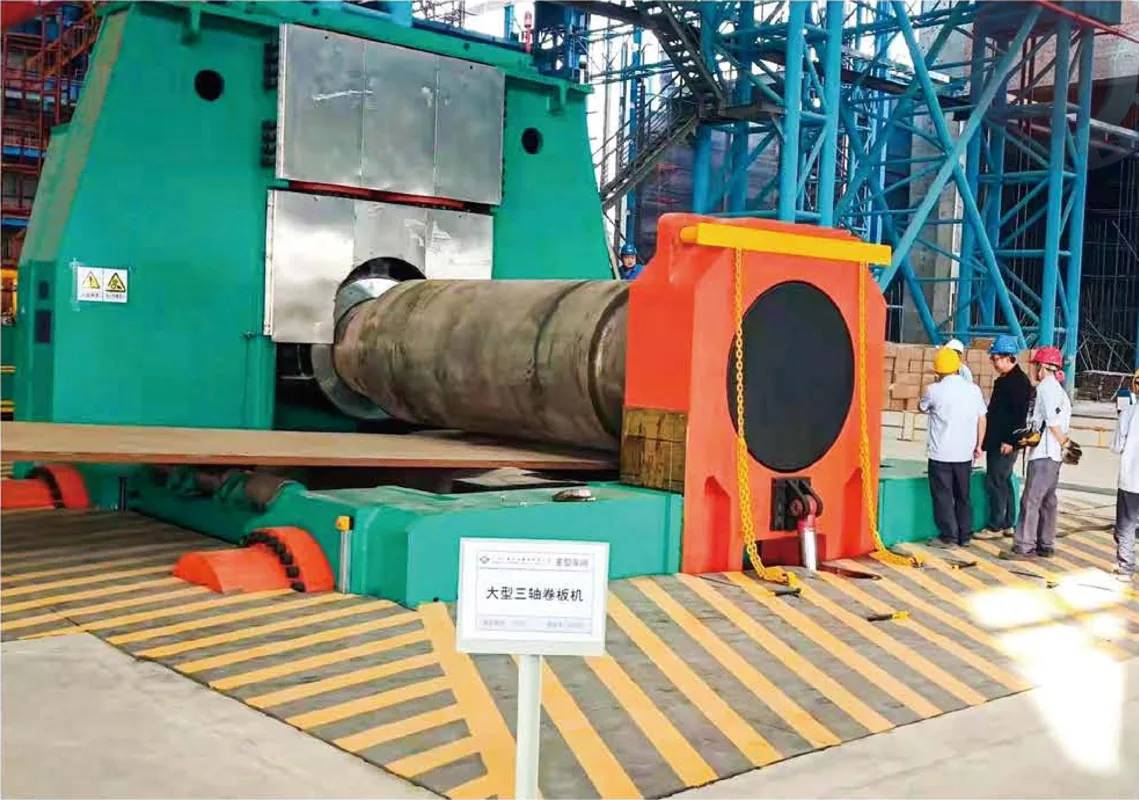
Heavy Fabrication
Use the how choose shearing route as a reference when you need heavy fabrication, and buyers should check material mix, handling route, output rhythm and operator access before comparison.
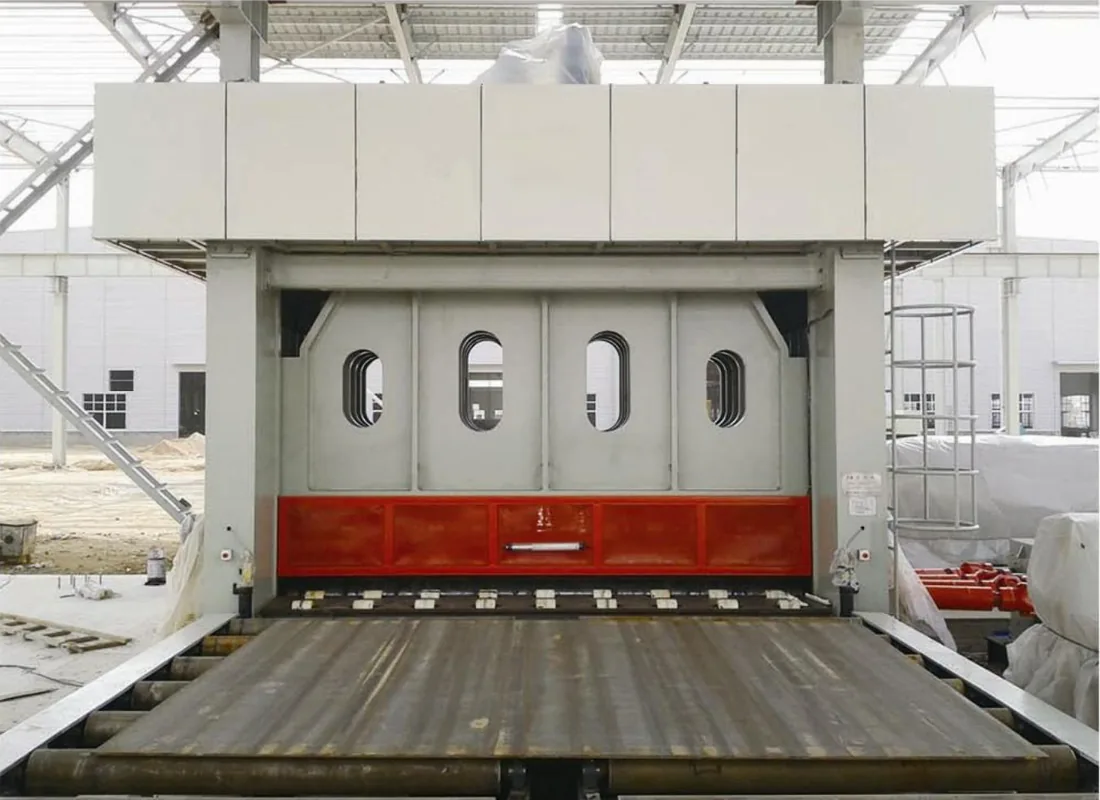
Steel Structure Fabrication
Use the how choose shearing route as a reference when you need steel structure fabrication, and buyers should check flatness, edge preparation, part flow and downstream assembly access before shortlisting equipment.
Boiler Manufacturing
Use the how choose shearing route as a reference when you need boiler manufacturing, and buyers should check shell roundness, edge prep, fit-up quality and production rhythm before quotation.
Bridge Construction
Use the how choose shearing route as a reference when you need bridge construction, and buyers should check length control, flatness and fit-up route for the weld sequence used on site.
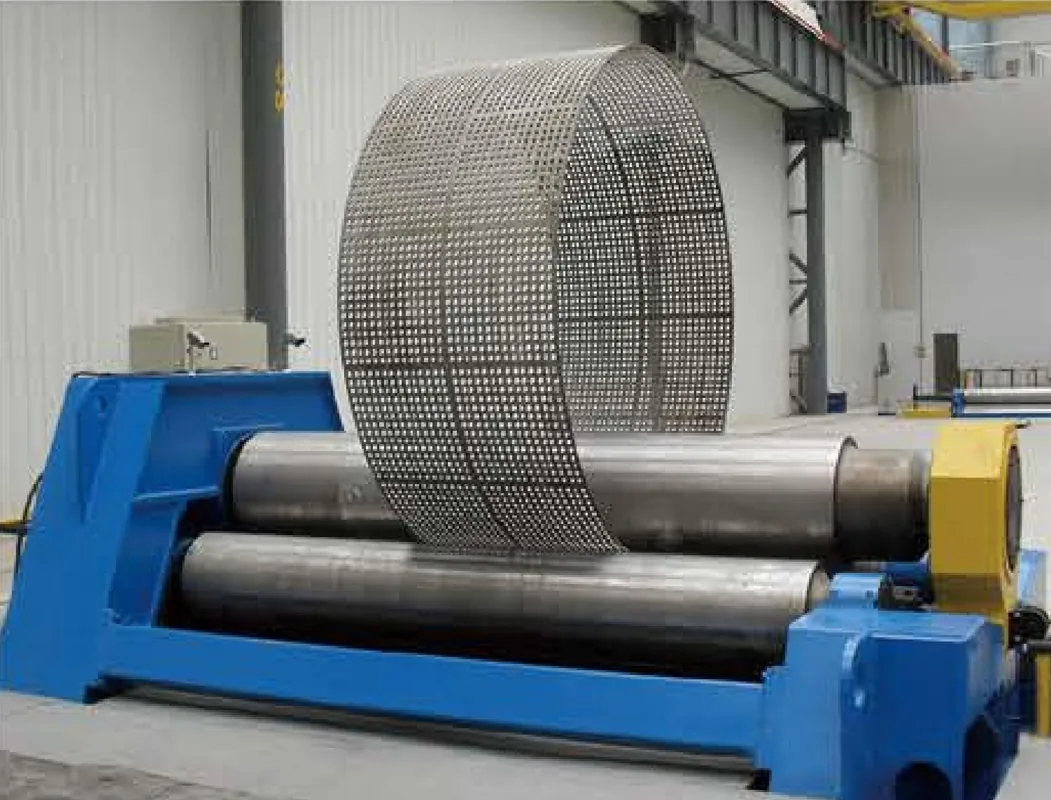
Pressure Vessel Fabrication
Use the how choose shearing route as a reference when you need pressure vessel fabrication, and buyers should check seam closure, roundness, nozzle fit-up and fit-up tolerance before comparing suppliers.
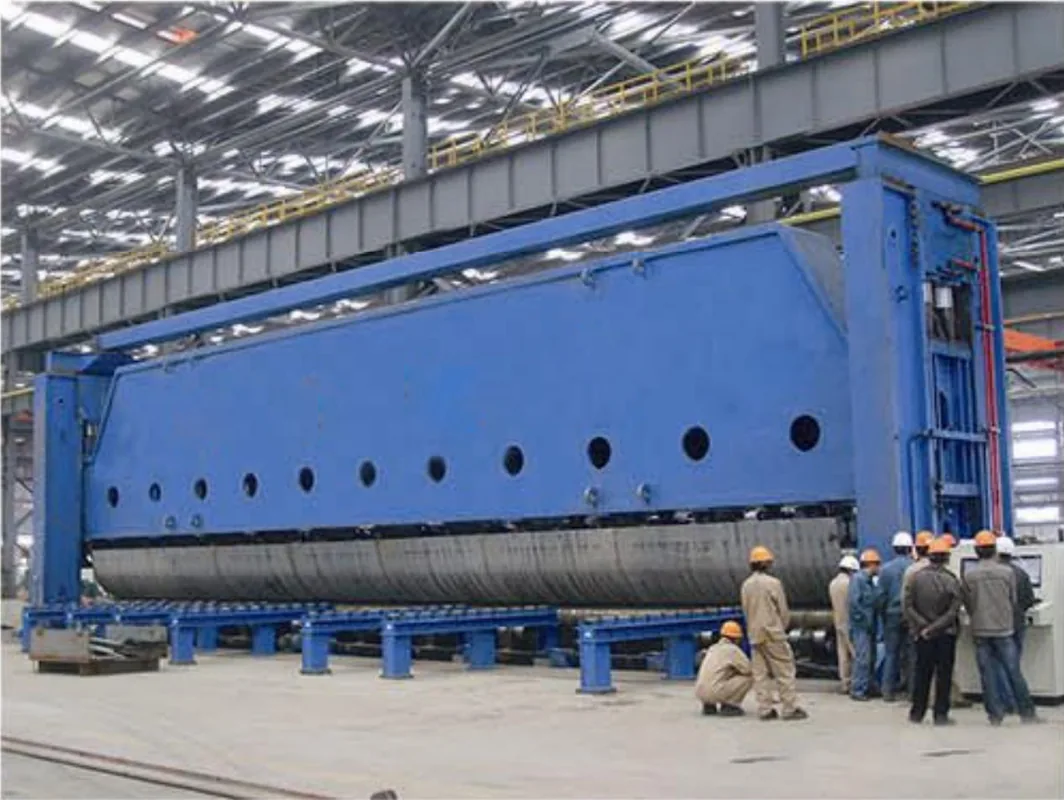
Shipbuilding
Use the how choose shearing route as a reference when you need shipbuilding, and buyers should check shell fit-up, pre-bending route, plate transport and welding handoff before requesting a proposal.
Technical Data to Prepare
| RFQ Item | Recommended Detail |
|---|---|
| Decision Topic | the how choose shearing route - What the how choose shearing route is helping the reader decide. |
| Calculation Basis | the how choose shearing route - What number, route or assumption the reader should check. |
| Reference File | the how choose shearing route - Which drawing, standard, video or brochure section is relevant. |
| Follow-up Step | the how choose shearing route - What to request before sending the RFQ. |