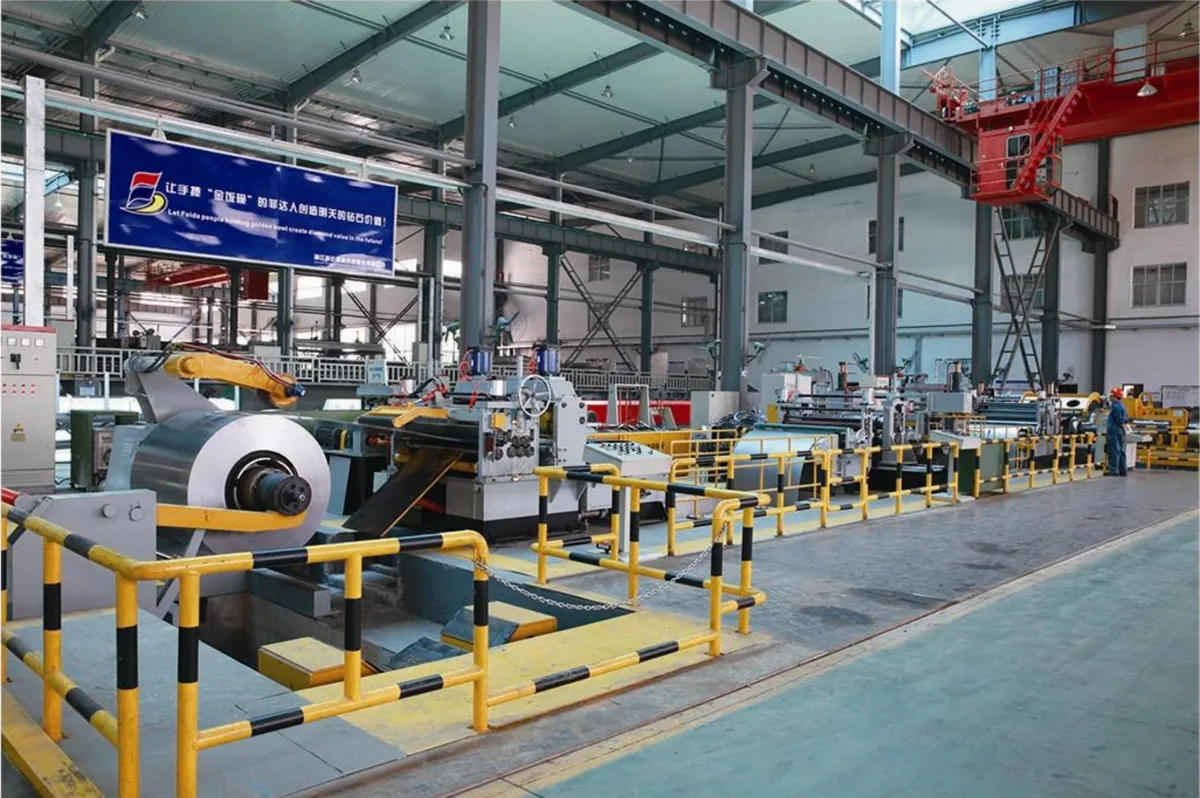
Shipbuilding Plate Forming for Real Shipyard Work
Shipbuilding plate forming is not a single rolling job. A shipyard may need to roll wide shell plates for cargo vessels, form high-strength sections for naval or offshore structures, prepare edges before welding, level plate before cutting, or bend profiles used in decks, stiffeners and outfitting structures. The correct equipment route depends on the vessel type, plate grade, shell radius, weld sequence, crane access and how the formed part moves to the next station.
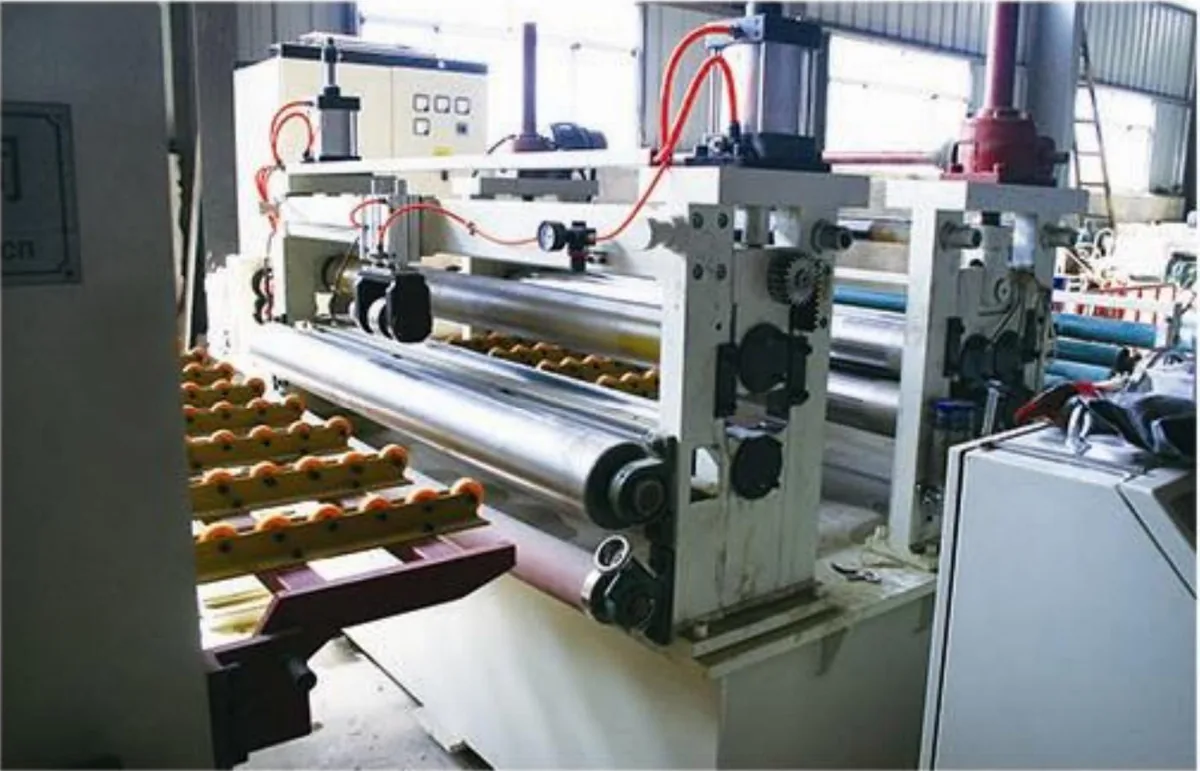
Hualu Equipment supports shipyard and marine fabrication buyers by connecting plate rolling machines, plate leveling machines, beveling machines, cut-to-length lines, shearing machines and custom handling equipment into a practical review path. The goal is not to sell a model name first. The useful starting point is the part drawing, the material data and the workshop route that the production team must actually run.
Where the Requirements Change in Shipbuilding
Cargo Ships and Tankers
Large commercial vessels often push the buyer toward long working widths and stable support for wide shell plates. The technical review should focus on plate width, shell diameter, pre-bending allowance, crane route and whether the shell can move to tack welding without excessive re-handling.
Navy, Fishing and Work Boats
These projects may use moderate widths but more varied shapes. Buyers should discuss overhead support, side support, cone rolling, operator sight line and repeatability when different shell panels or transition pieces move through the same workshop.
Submarine and High-Strength Sections
High-strength marine steel changes the selection logic. The buyer should confirm yield strength, springback expectation, minimum diameter, roll pressure margin, frame rigidity and acceptance method before comparing heavy-duty plate rolling machines.
Decks, Stiffeners and Profiles
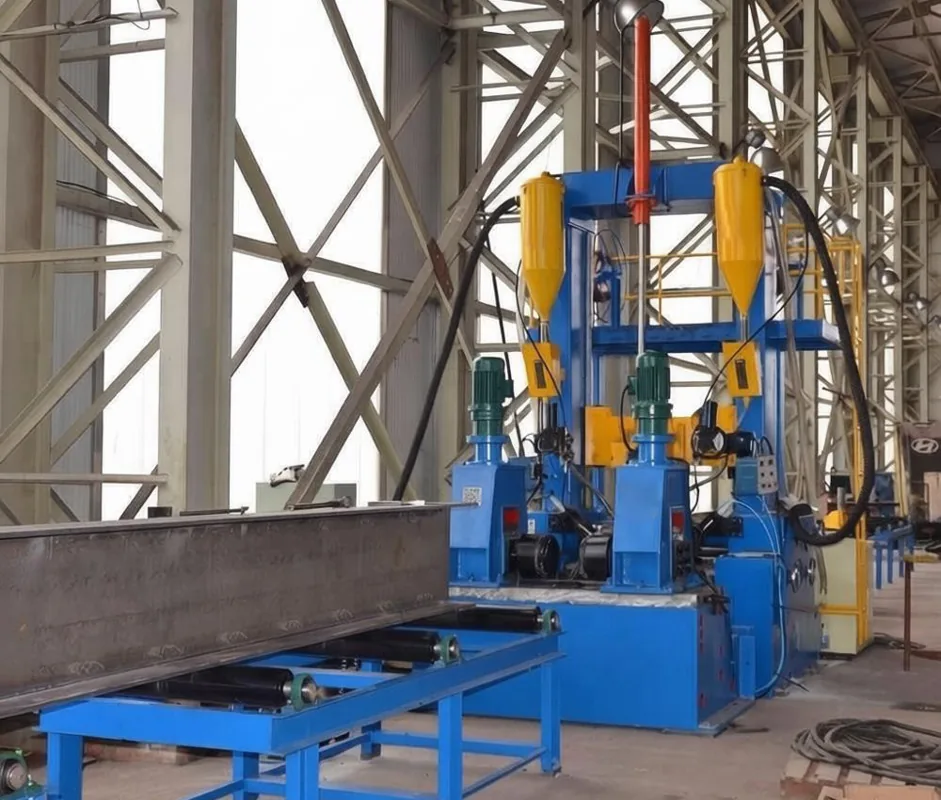
Shipbuilding work also includes curved stiffening components, bulb flats, deck structures and support profiles. These parts may require profile bending, straightening, edge preparation or a dedicated forming unit rather than only a plate roll.
Equipment Route a Shipyard Should Compare
| Shipyard Task | Useful Equipment Route | What the Buyer Should Verify |
|---|---|---|
| Hull shell rolling | Shipbuilding plate rolling machine with top/side support options | Plate width, thickness, yield strength, target radius, pre-bending length, shell transfer route and roundness acceptance. |
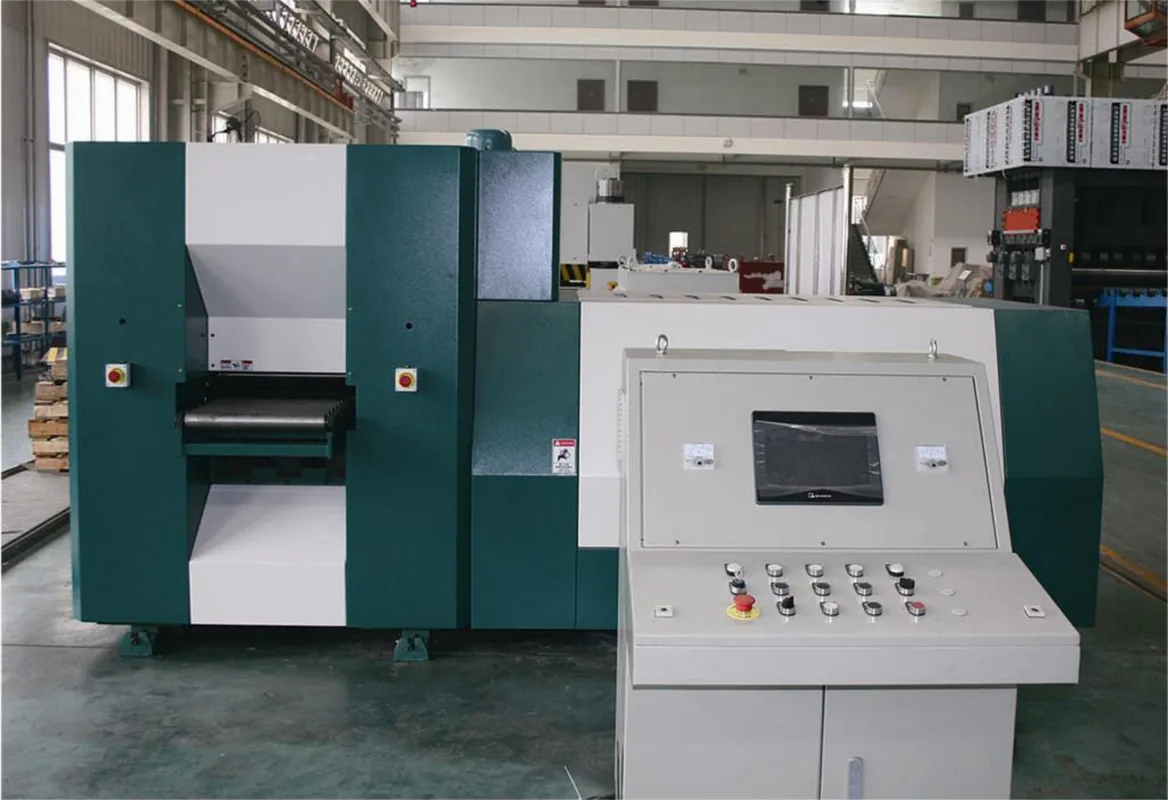
| High-strength marine plate forming | Heavy-duty CNC plate rolling machine or variable-geometry rolling route | Springback, roll force margin, machine rigidity, CNC repeatability and whether a factory test can reproduce the buyer's material condition. |
| Weld preparation before assembly | CNC plate beveling or edge milling machine | Groove type, bevel angle, root face, edge quality, fit-up requirement and welding standard used by the shipyard. |
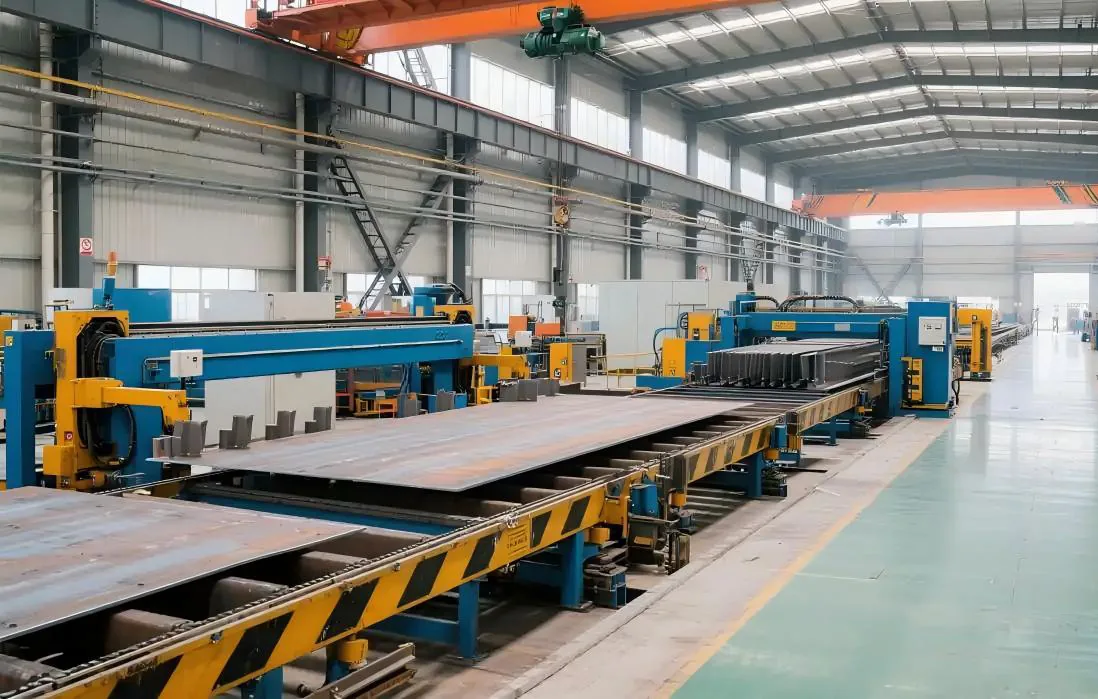
| Plate preparation before cutting | Plate leveling machine or cut-to-length line | Flatness target, surface marking risk, plate flow, stacking route and downstream cutting or marking process. |
| Custom marine fabrication cells | Specialized handling, feeding, support or integrated forming units | Crane access, operator safety, handling rhythm, fixture layout, inspection points and responsibility boundary between machines. |
Why Buyers Should Not Compare Only Nominal Capacity
A shipyard can receive two quotations with similar thickness and width figures but very different production value. The stronger proposal explains how the machine holds the plate, how the operator sees the seam, where supports are positioned, how the shell is removed, how the hydraulic and CNC system behaves under load, and what documents will be available before shipment.
For procurement managers, the comparison should include the quoted machine scope, optional supports, spare parts, installation support, training, manuals, packing method and after-sales communication. For engineers, the important checks are plate grade, yield strength, bending radius, straight edge length, cone requirement, springback and inspection standard. For production directors, the question is whether the equipment reduces rework before fit-up and welding. For operators, access, loading, cleaning and maintenance are not secondary details; they affect every shift.
Factory and Engineering Evidence to Request
- Similar marine or heavy shell forming photos or videos from the machine family being quoted.
- Clear capacity basis, including material strength assumptions, not only maximum thickness under ideal conditions.
- Support device configuration for long plates, conical shells or unstable workpieces.
- Factory acceptance plan covering motion test, hydraulic checks, CNC function, safety devices and buyer-specific trial items when required.
- Shipping, installation and commissioning responsibility, especially when the machine is large or requires foundation planning.
Recommended Hualu Equipment Pages for Shipyards
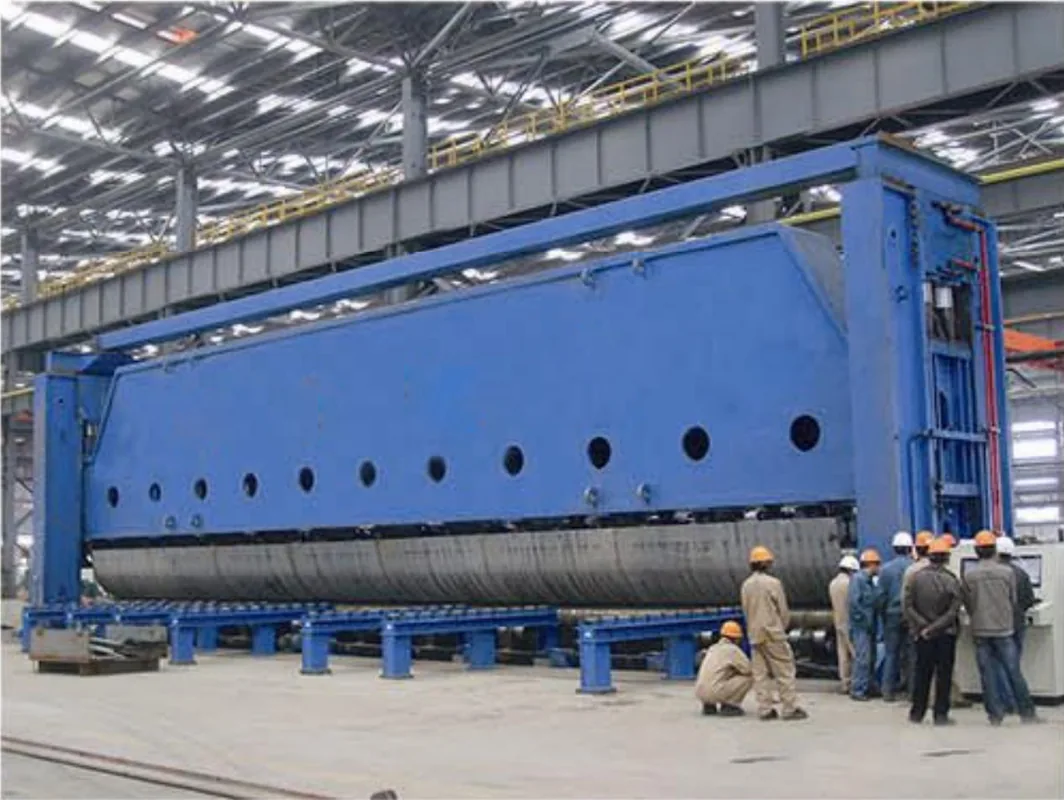
Shipbuilding Plate Rolling Machine
Review hull shell rolling, marine plate forming, support devices and RFQ data for shipyard production.
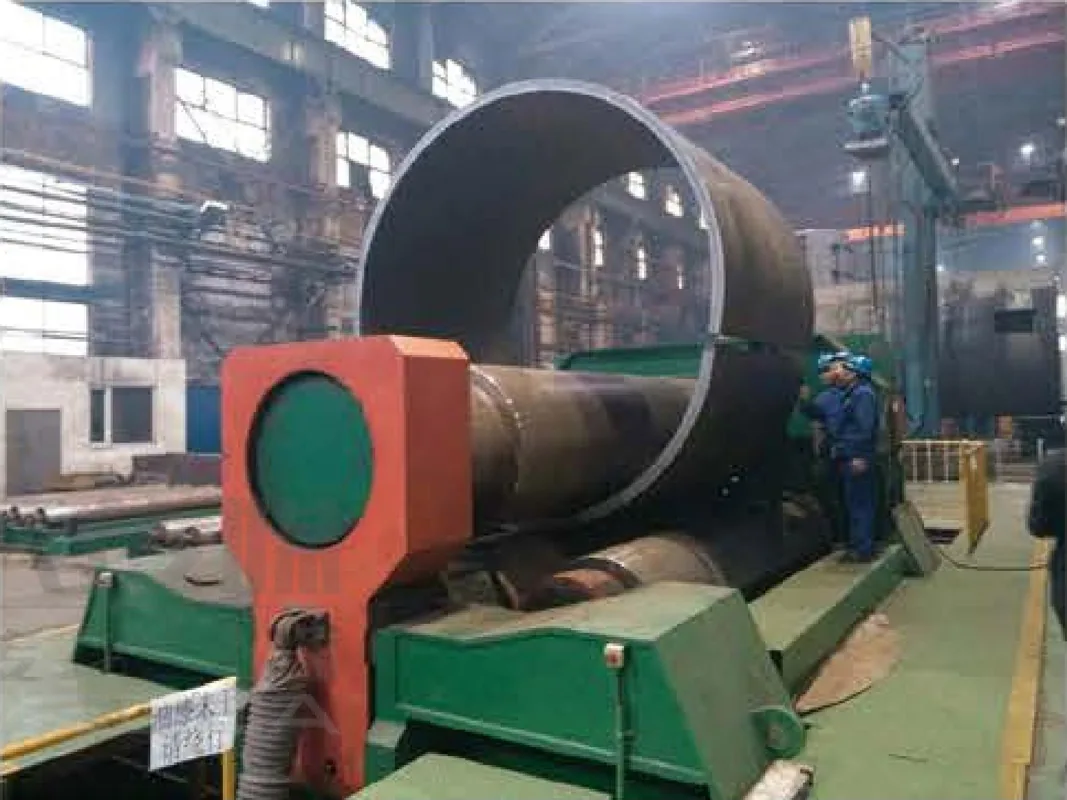
Heavy Duty Plate Rolling Machine
Use this route when high-strength steel, thick plate, springback or small-radius forming changes the machine selection.
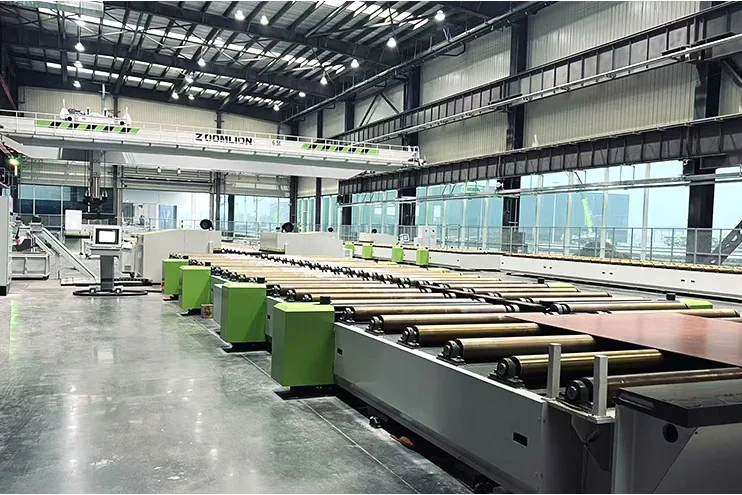
Plate Beveling Machines
Check bevel angle, groove type and edge quality before welding hull panels, decks or structural sections.
RFQ Data That Makes a Shipbuilding Proposal Useful
For a fast engineering reply, send the vessel component type, material grade, yield strength, plate thickness, working width, target radius or diameter, shell length, cone requirement, edge preparation need, monthly output, crane capacity, available floor area and destination country. If drawings are confidential, a simplified sketch with key dimensions is still useful for preliminary selection.
Hualu Equipment can then review whether the project is best matched with a 3-roll plate rolling machine, 4-roll plate rolling machine, heavy-duty CNC rolling machine, leveling machine, beveling machine, cut-to-length line or a custom handling route. This keeps the conversation close to the shipyard's real production problem and avoids a generic price list that does not help the buying team.
Engineering Considerations
Shipbuilding should be read as a production route so the buyer can connect the workpiece geometry for Shipbuilding, upstream preparation, machine choice and downstream welding or assembly before asking for a quotation.
Manufacturing and QC
The QC route for Shipbuilding should show input material, machine step, measurement method and the handoff point to the next workshop stage.
Applications and Industries
Shipbuilding
Use Shipbuilding when the shop needs shipbuilding, and buyers should check shell fit-up, pre-bending route, plate transport and welding handoff before requesting a proposal.
Offshore Engineering
Use Shipbuilding when the shop needs offshore engineering, and buyers should check corrosion-grade plate handling, safety access, crane route and delivery condition before RFQ.
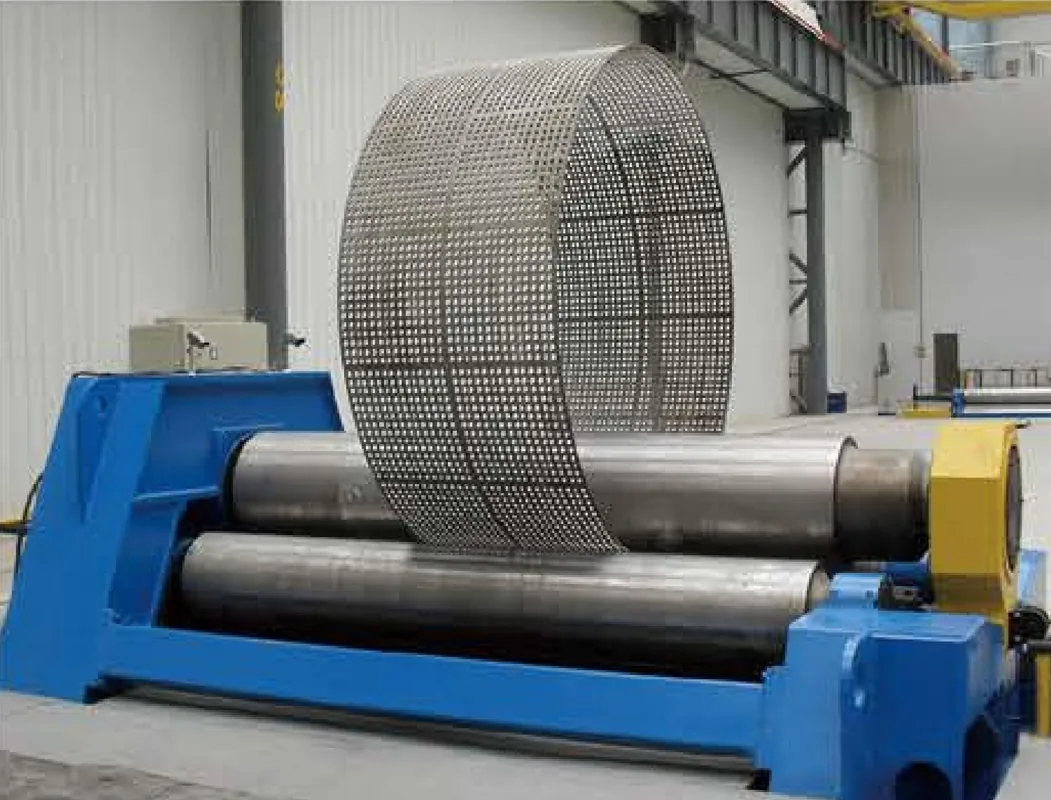
Pressure Vessel Fabrication
Use Shipbuilding when the shop needs pressure vessel fabrication, and buyers should check seam closure, roundness, nozzle fit-up and fit-up tolerance before comparing suppliers.
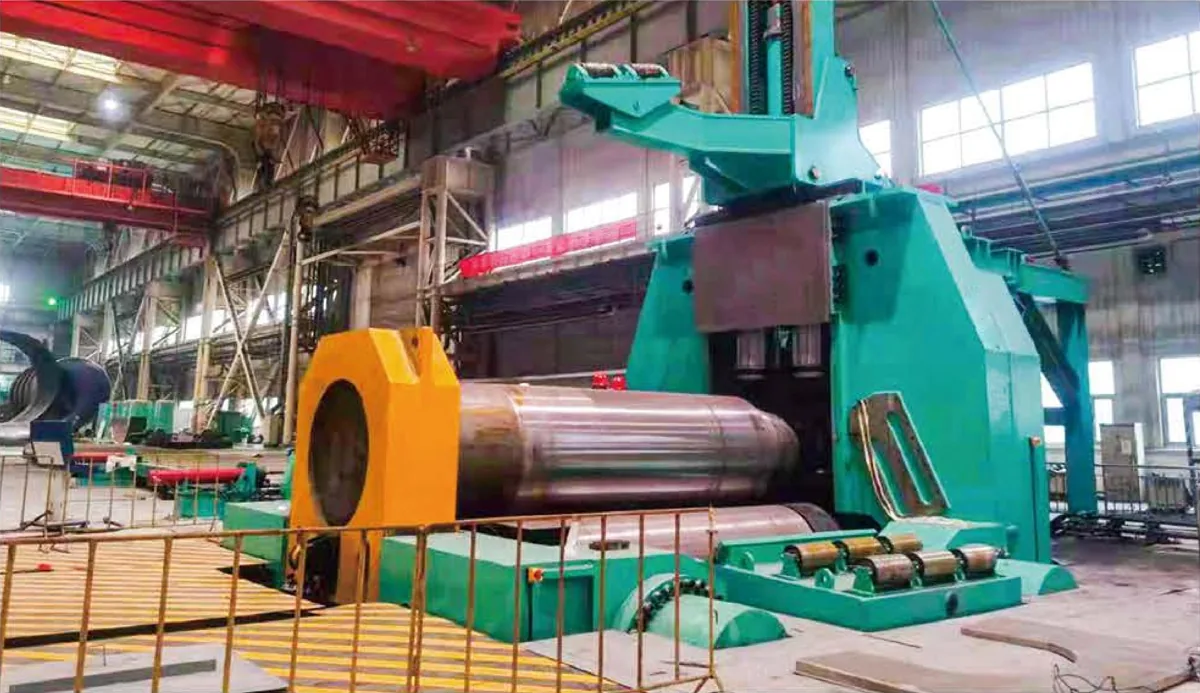
Wind Tower Manufacturing
Use Shipbuilding when the shop needs wind tower manufacturing, and buyers should check shell diameter, section transfer, top support layout and turn-around rhythm before approving the line.
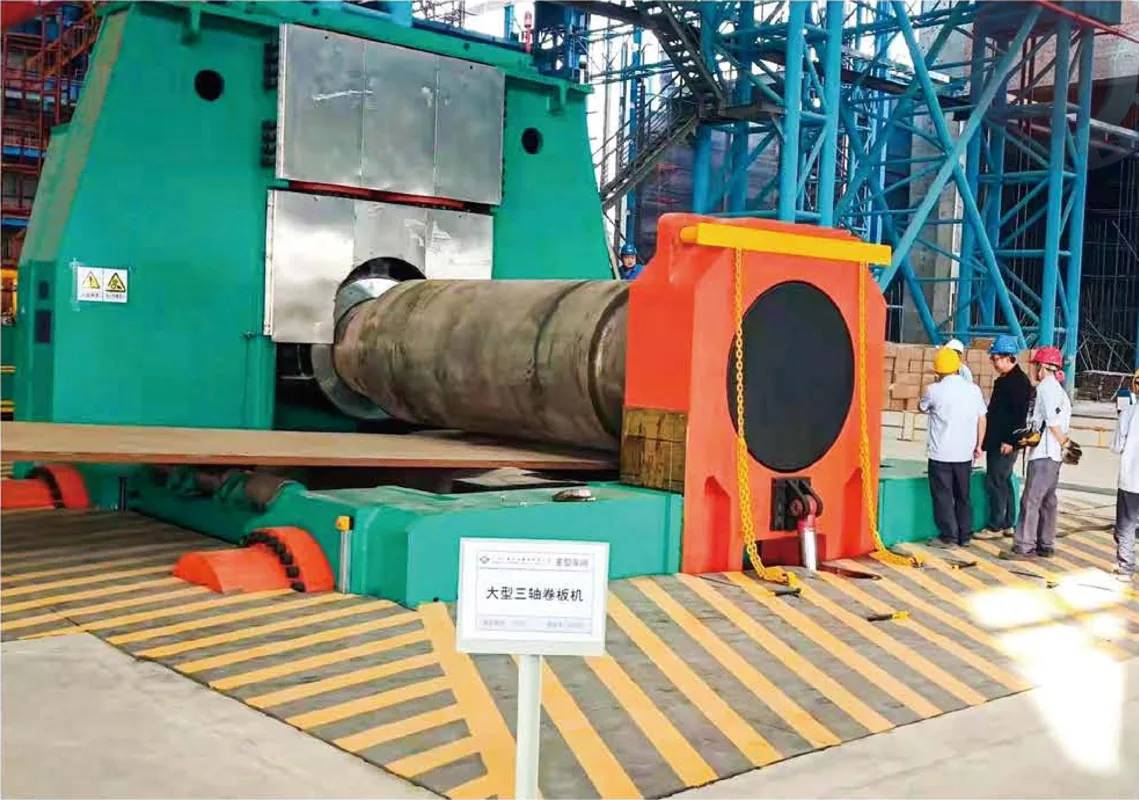
Heavy Fabrication
Use Shipbuilding when the shop needs heavy fabrication, and buyers should check material mix, handling route, output rhythm and operator access before comparison.
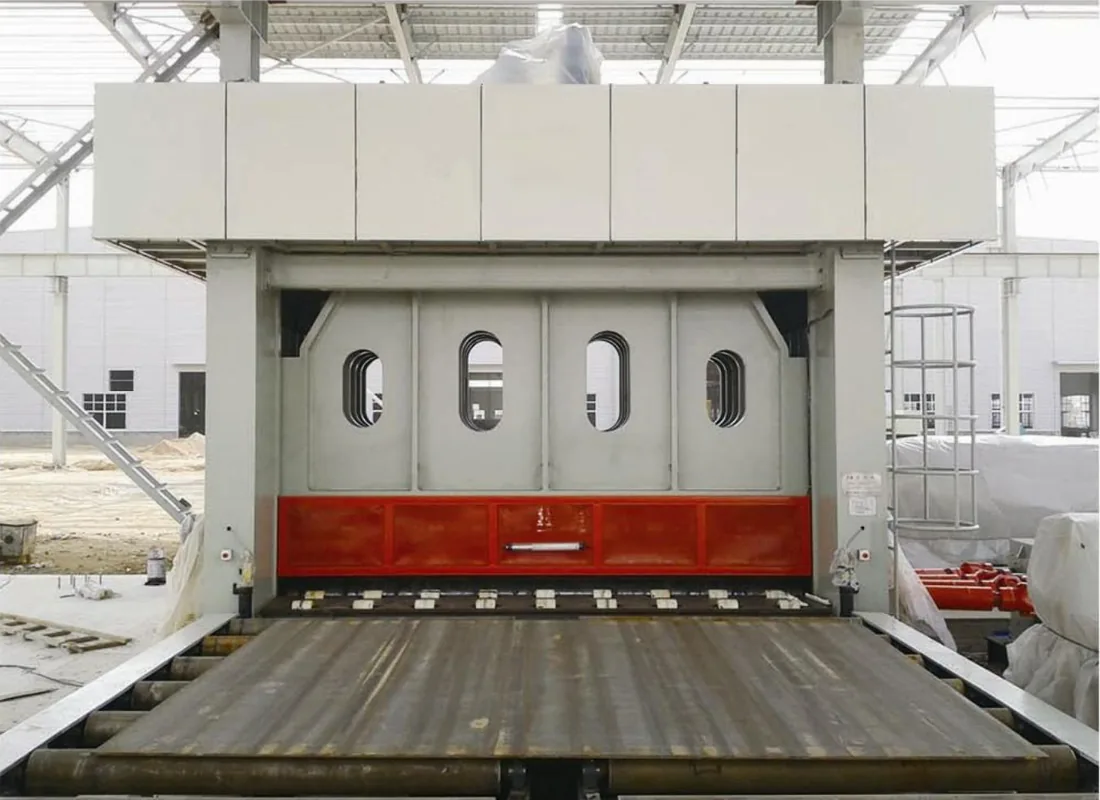
Steel Structure Fabrication
Use Shipbuilding when the shop needs steel structure fabrication, and buyers should check flatness, edge preparation, part flow and downstream assembly access before shortlisting equipment.
Technical Data to Prepare
| RFQ Item | Recommended Detail |
|---|---|
| Workpiece | Shipbuilding - Plate grade, thickness, width, length and surface condition. |
| Shop Route | Shipbuilding - Where the part enters, turns, forms, levels or exits the line. |
| Quality Target | Shipbuilding - Roundness, flatness, groove angle, squareness or fit-up requirement. |
| Buyer Input | Shipbuilding - Drawings, output rhythm, delivery country and installation needs. |