Chemical Vessel Fabrication: What the Buyer Is Really Trying to Build
Chemical Vessel Fabrication should be written from the workshop problem outward. The practical scene is pressure vessel shells, boiler drums, cones and welded cylinders where roundness and seam fit-up affect inspection and code-related review. For Chemical Vessel Fabrication, engineers need to know whether the equipment route can hold the workpiece, control the geometry, reduce rework and leave enough evidence for production approval.
For Hualu Equipment, the useful Chemical Vessel Fabrication conversation starts with drawings, material data and how the part moves through the plant. In Chemical Vessel Fabrication, the machine is presented as part of a production route, not as an isolated catalog item.
Production Problems This Application Must Solve
Engineering Risk
The main technical risk is roundness control, seam closure, nozzle fit-up, edge preparation and repeatability across different shell diameters. This Chemical Vessel Fabrication risk should be clarified early because it can change the machine scope, supports and test method.
Workshop Flow
For Chemical Vessel Fabrication, the plant team should confirm loading route, crane access, operator visibility, maintenance space and where the workpiece moves next.
Procurement Scope
A useful Chemical Vessel Fabrication quotation should state the machine, support devices, control functions, spare parts, documents, FAT scope, packing method and service responsibility.
Acceptance Evidence
The Chemical Vessel Fabrication buying team should request trial-run items, photos or video references, inspection records and the assumptions used for capacity selection.
Recommended Equipment Route
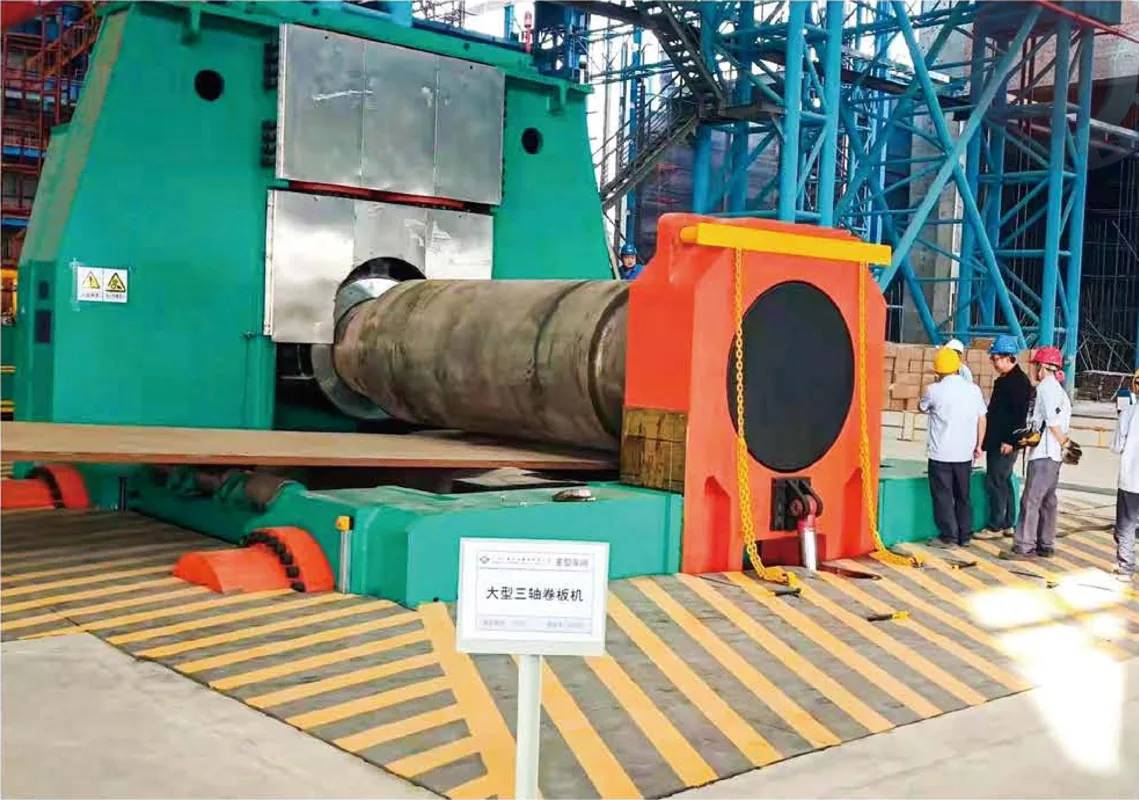
For Chemical Vessel Fabrication, the equipment route normally involves 4-roll or 3-roll plate rolling machines, beveling machines, leveling before cutting and support devices for long shells. The exact Chemical Vessel Fabrication configuration depends on plate thickness, width, yield strength, geometry, output rhythm and how much automation the workshop can actually use.
| Decision Area | What to Confirm | Why It Matters |
|---|---|---|
| Workpiece | material grade, shell thickness, target diameter, seam tolerance, weld preparation route and inspection method | Prevents a quotation based only on nominal capacity. |
| Machine Scope | Main machine, support devices, tooling, guarding, CNC or PLC scope and optional handling equipment for Chemical Vessel Fabrication. | Keeps suppliers compared on a complete working route. |
| Factory Test | Trial material, movement check, hydraulic or electrical test, dimensional check and documentation for Chemical Vessel Fabrication. | Gives engineers and procurement managers evidence before shipment. |
| Site Readiness | Foundation, power supply, crane capacity, floor space, operator training and maintenance access for the Chemical Vessel Fabrication line. | Reduces commissioning questions after the equipment arrives. |
How Hualu Equipment Helps Buyers Compare Options
For the chemical vessel fabrication route, Hualu Equipment can review whether the project should use plate rolling, plate leveling, plate beveling, cut-to-length, shearing, press brake, specialized automation or metallurgical equipment. The chemical vessel fabrication route recommendation should explain the capacity basis, not only the model, and state material assumptions, working width, required supports, control functions, delivery scope and what must still be confirmed from drawings.
A useful the chemical vessel fabrication route page helps the engineer check feasibility, helps the procurement manager compare scope, helps the production director judge output risk and helps the operator understand whether the machine can be loaded, watched, cleaned and maintained in the real workshop.
RFQ Data for the chemical vessel fabrication route
- Prepare the chemical vessel fabrication route drawings with material standard, yield strength, thickness range, width range and part length.
- Define the chemical vessel fabrication route geometry target: radius, diameter, cone angle, flatness, bevel profile, bend angle or cut length.
- Explain the chemical vessel fabrication route production rhythm, batch size, shift plan and downstream welding, cutting or assembly step.
- Share the chemical vessel fabrication route site constraints, including crane access, power supply, floor space, foundation and maintenance route.
- List the chemical vessel fabrication route approval documents, FAT expectation, destination country, packing limits and schedule target.
Why This Page Should Lead to a Technical Inquiry
After reading this chemical vessel fabrication route page, the next useful step is to send Hualu Equipment a simplified drawing, material data and production target. Helen can route the chemical vessel fabrication route inquiry to the engineering team so the reply is based on the real workpiece and the buyer receives a practical configuration, not a copied price list.
Engineering Considerations
Chemical Vessel Fabrication should be read as a production route so the buyer can connect the workpiece geometry for Chemical Vessel Fabrication, upstream preparation, machine choice and downstream welding or assembly before asking for a quotation.
Manufacturing and QC
Buyers reviewing the chemical vessel fabrication route need to see where material enters, how the result is measured and what evidence reaches final approval.
Applications and Industries
Wind Tower Manufacturing
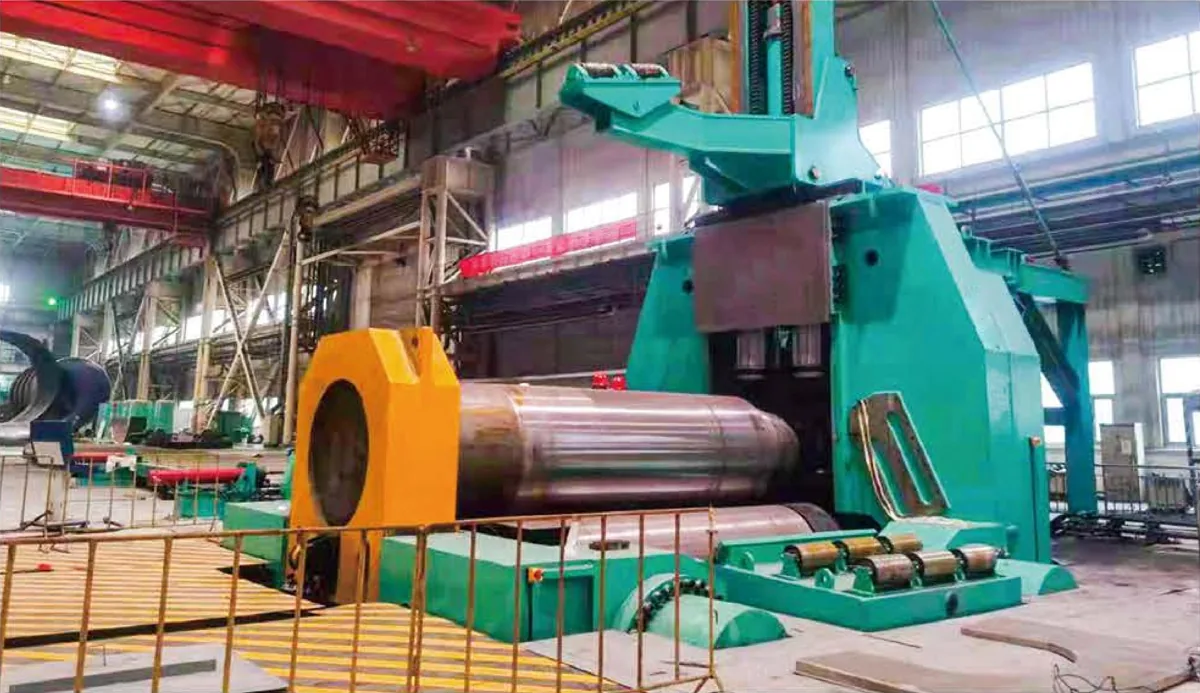
Use the chemical vessel fabrication route when the shop needs wind tower manufacturing, and buyers should check shell diameter, section transfer, top support layout and turn-around rhythm before approving the line.
Shipbuilding
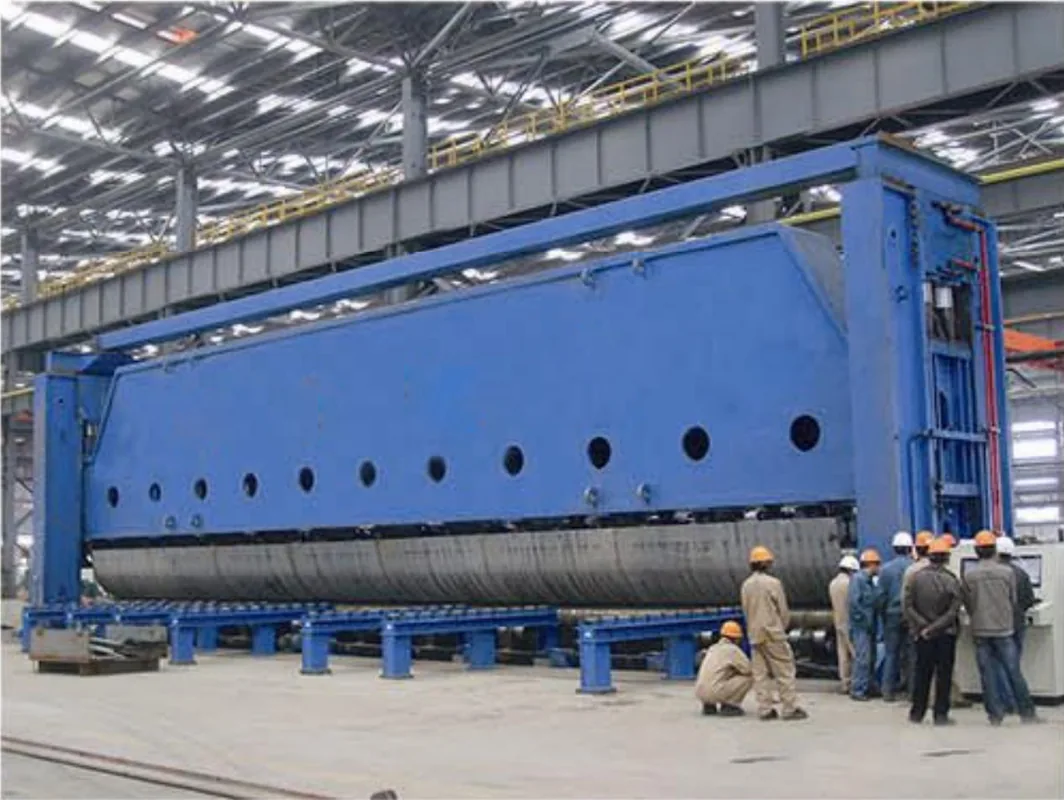
Use the chemical vessel fabrication route when the shop needs shipbuilding, and buyers should check shell fit-up, pre-bending route, plate transport and welding handoff before requesting a proposal.
Pressure Vessel Fabrication
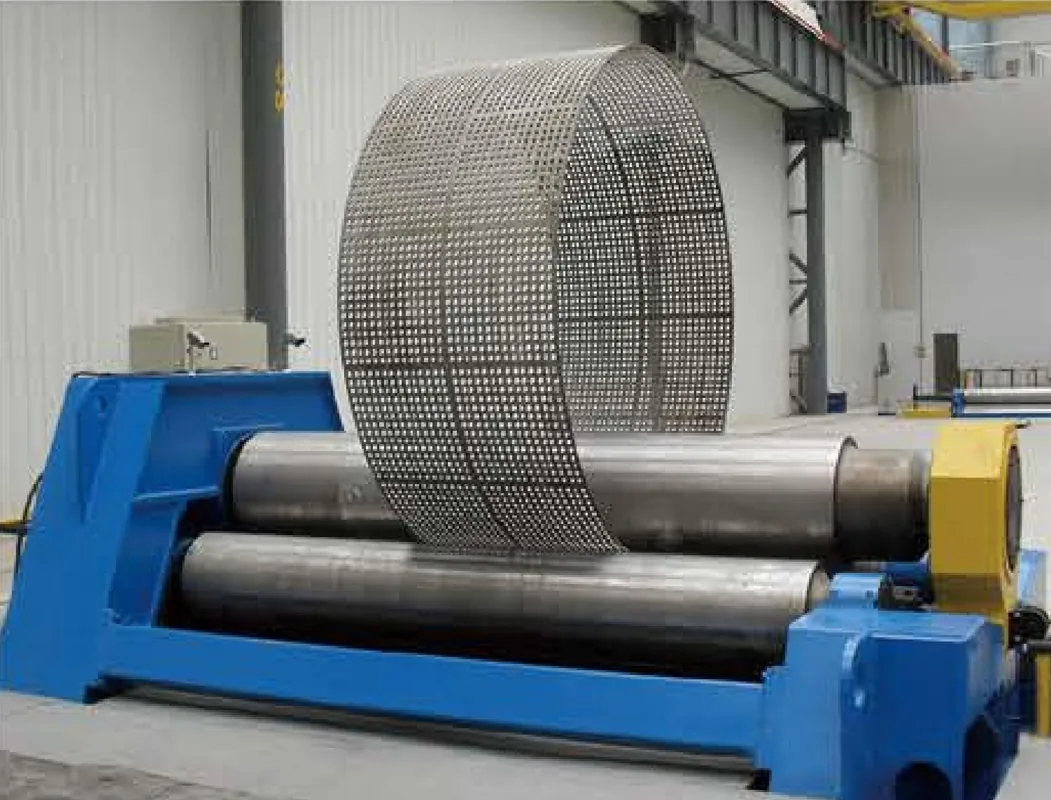
Use the chemical vessel fabrication route when the shop needs pressure vessel fabrication, and buyers should check seam closure, roundness, nozzle fit-up and fit-up tolerance before comparing suppliers.
Steel Structure Fabrication
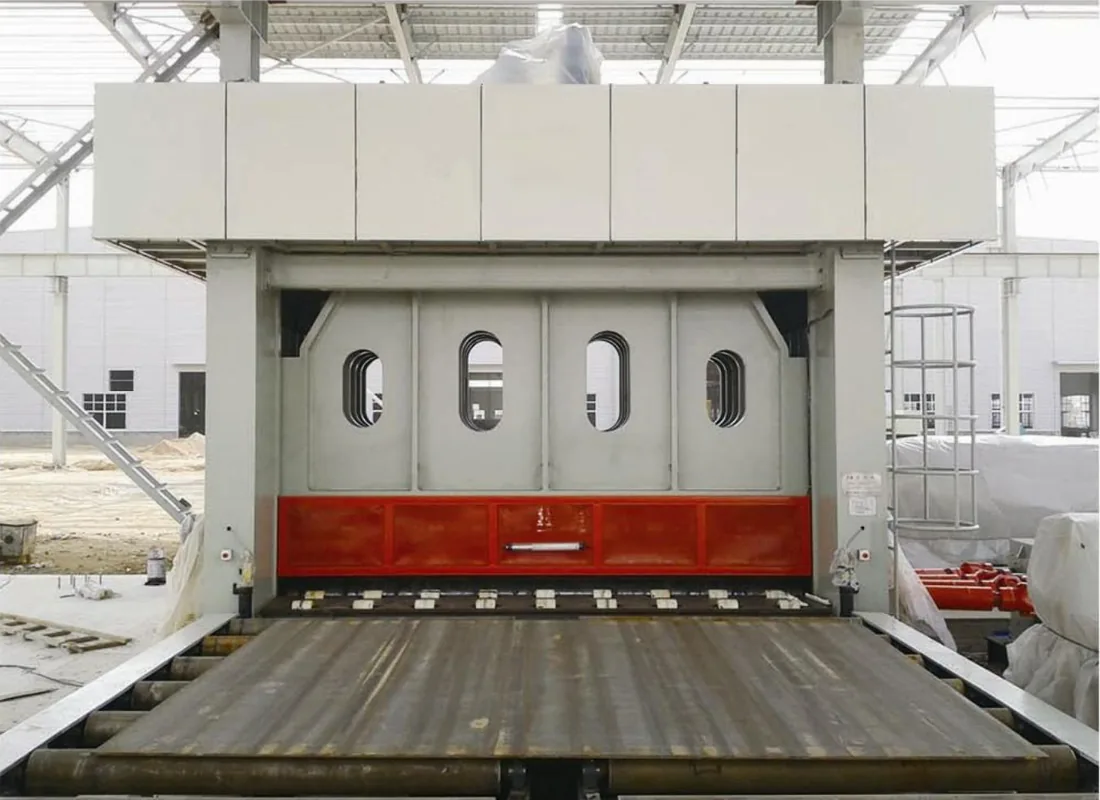
Use the chemical vessel fabrication route when the shop needs steel structure fabrication, and buyers should check flatness, edge preparation, part flow and downstream assembly access before shortlisting equipment.
Offshore Engineering
Use the chemical vessel fabrication route when the shop needs offshore engineering, and buyers should check corrosion-grade plate handling, safety access, crane route and delivery condition before RFQ.
Military Equipment Manufacturing
Use the chemical vessel fabrication route when the shop needs military equipment manufacturing, and buyers should check repeatability, confidentiality, acceptance control and documentation scope before bidding.
Technical Data to Prepare
| RFQ Item | Recommended Detail |
|---|---|
| Workpiece | the chemical vessel fabrication route - Plate grade, thickness, width, length and surface condition. |
| Shop Route | the chemical vessel fabrication route - Where the part enters, turns, forms, levels or exits the line. |
| Quality Target | the chemical vessel fabrication route - Roundness, flatness, groove angle, squareness or fit-up requirement. |
| Buyer Input | the chemical vessel fabrication route - Drawings, output rhythm, delivery country and installation needs. |